If you’ve ever struggled with gluten-free baking that turns out dense or flavorless, Farinata (Socca) is about to surprise you. This classic chickpea flatbread is naturally gluten-free, incredibly simple, and packed with savory flavor—yet it uses just a handful of pantry ingredients. No yeast, no kneading, no complicated steps.
I’ve made Farinata many times as a quick lunch, easy appetizer, and even a light dinner. It’s crispy on the edges, soft in the center, and endlessly versatile. In this post, you’ll learn exactly how to get the perfect texture, avoid common mistakes, and customize farinata with tasty variations and serving ideas.
Why You’ll Love This Recipe
-
Naturally gluten-free and vegan
-
Made with just a few simple ingredients
-
Crispy edges with a creamy center
-
Great as a snack, side, or light meal
-
Easy to customize with herbs and toppings
Ingredients & Prep
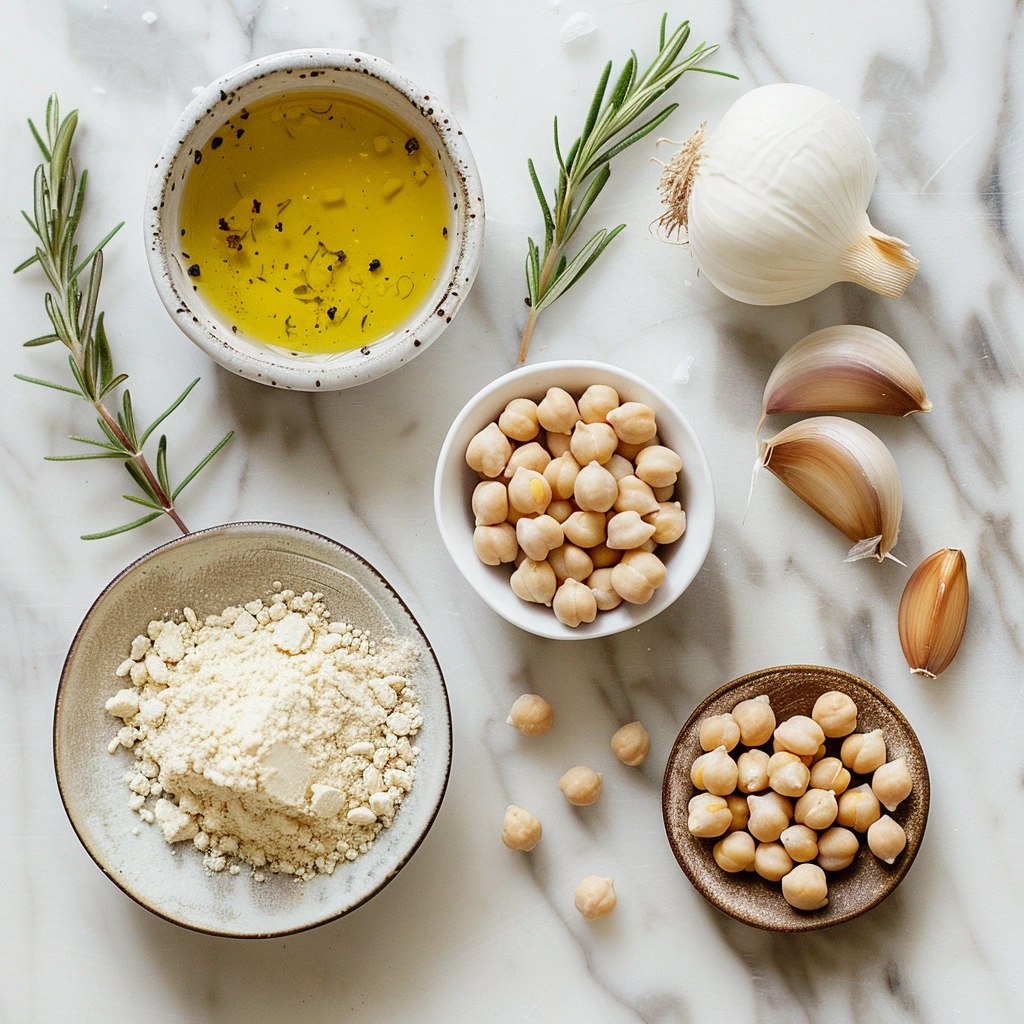
Main Ingredients Prep
Seasonings, Sauces, or Flavor Base
-
Olive oil – Adds richness and helps create crisp edges.
-
Salt – Essential for flavor; don’t skip it.
-
Black pepper (optional) – Adds gentle warmth.
Pantry Staples
-
Fresh rosemary (optional) – Classic and aromatic.
-
Garlic (optional) – Thinly sliced or minced for extra flavor.
-
Onion (optional) – Thin slices add sweetness and texture.
Step-by-Step Cooking Instructions
Pre-Cooking Prep
In a bowl, whisk chickpea flour, water, salt, and olive oil until smooth and lump-free. Let the batter rest for 30 minutes to 2 hours if possible. This helps hydrate the flour and improves texture. Preheat your oven to 450°F with a cast iron skillet or oven-safe pan inside.
Cooking Method (Times & Temps)
-
Carefully remove the hot skillet from the oven and add a drizzle of olive oil.
-
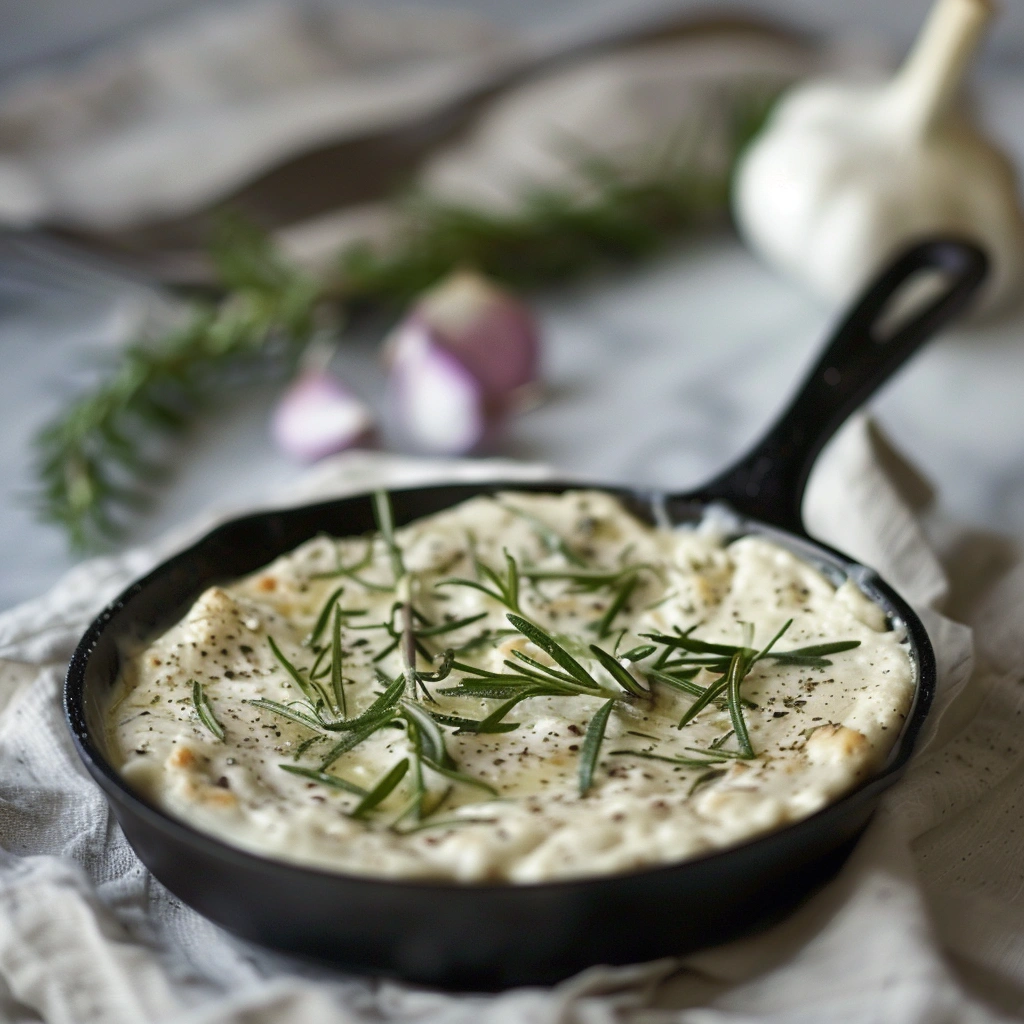
Pour the batter into the skillet, swirling gently to spread evenly.
-
Sprinkle with rosemary, pepper, or toppings if using.
-
Bake for 20–25 minutes, until the edges are deeply golden and the center is set.
-
For extra browning, broil for 1–2 minutes at the end.
Doneness or Texture Check
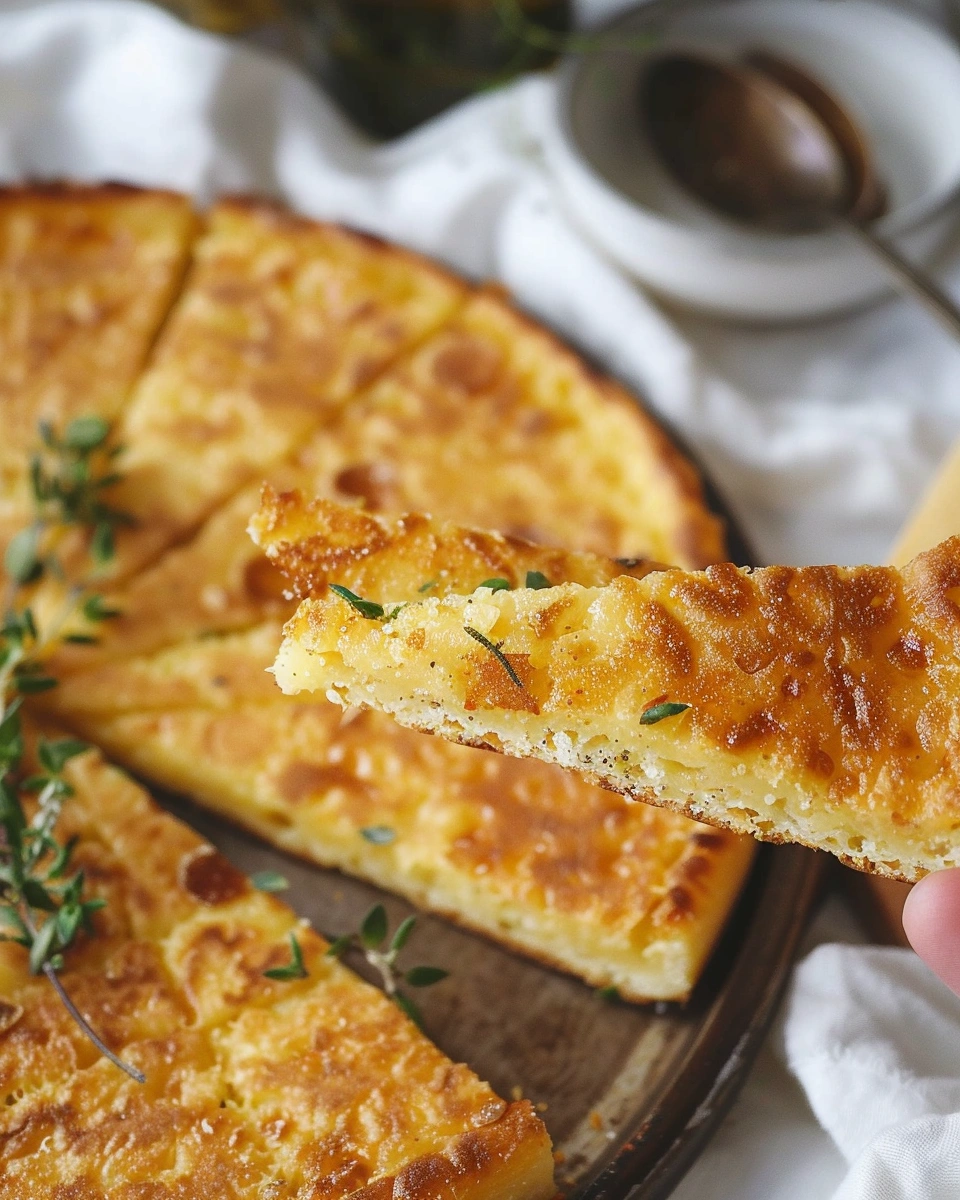
Farinata is done when the edges are crisp and pulling slightly away from the pan, and the center is firm but still tender. The top should be lightly golden with darker spots.
Resting or Final Touches
Remove from the oven and let rest for 2–3 minutes. Slice into wedges or squares and finish with a drizzle of olive oil and a pinch of flaky salt.
Pro Tips for Perfect Results
Common Mistakes to Avoid
-
Skipping the batter rest – It improves flavor and texture.
-
Oven not hot enough – High heat is key for crisp edges.
-
Too much batter – Keep it thin for best results.
Recommended Tools
Storage & Reheating Tips
-
Farinata is best fresh but keeps for up to 2 days in the fridge.
-
Reheat in a hot oven or skillet to restore crispness.
-
Avoid microwaving—it softens the texture too much.
Flavor Variations
Spicy Version
Add chili flakes or a pinch of cayenne to the batter for gentle heat.
Healthy / Special Diet Option
Farinata is naturally vegan, gluten-free, and dairy-free. Add vegetables like zucchini or spinach for extra nutrition.
Global Flavor Twist
Top with caramelized onions and herbs for an Italian-style version, or add cumin and coriander for a Middle Eastern-inspired spin.
Serving Suggestions
-
Serve as an appetizer with olives
-
Pair with salads or soups
-
Use as a flatbread base for toppings
-
Enjoy with hummus or yogurt-style dips
FAQs
Can I make this ahead of time?
You can mix the batter ahead and refrigerate it for up to 24 hours. Bake just before serving for best texture.
How do I fix common mistakes?
If farinata is soft, bake longer or broil briefly. If it tastes bland, add more salt or finish with flaky salt and olive oil.
Conclusion
Farinata (Socca) is proof that simple ingredients can create something truly special. It’s crispy, savory, and satisfying without being heavy—and it works for everything from snacks to meals. Once you master this recipe, you’ll find yourself coming back to it again and again, experimenting with toppings and flavors to make it your own.